Choose the light for the task
Reading a label, sorting gear, checking footing, and looking at a distant object are different jobs. Start by deciding what you need to see. Use a level of illumination that lets you do that job clearly, and point the light where it is needed. Avoid shining it into another person's eyes or across an occupied area.
Understand the red-light option
The National Park Service recommends red light for stargazing because it affects dark-adapted vision less than white light. That is a useful reason to have a red option for appropriate close tasks after dark. It is not a promise that a particular light will be invisible to wildlife, preserve every detail, or work for every situation. If you cannot see well enough, change the lighting or the plan.
Know what Standard includes
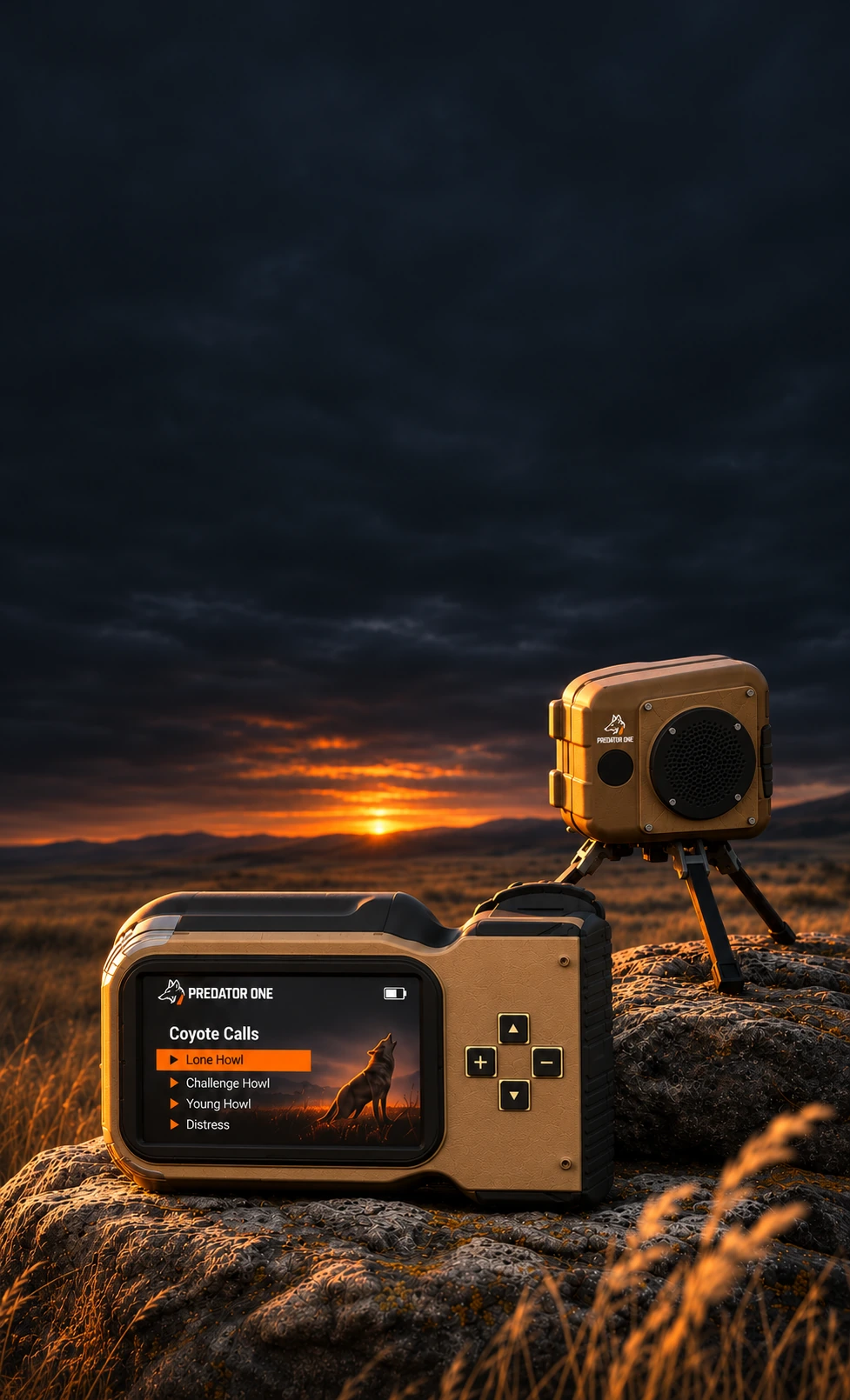
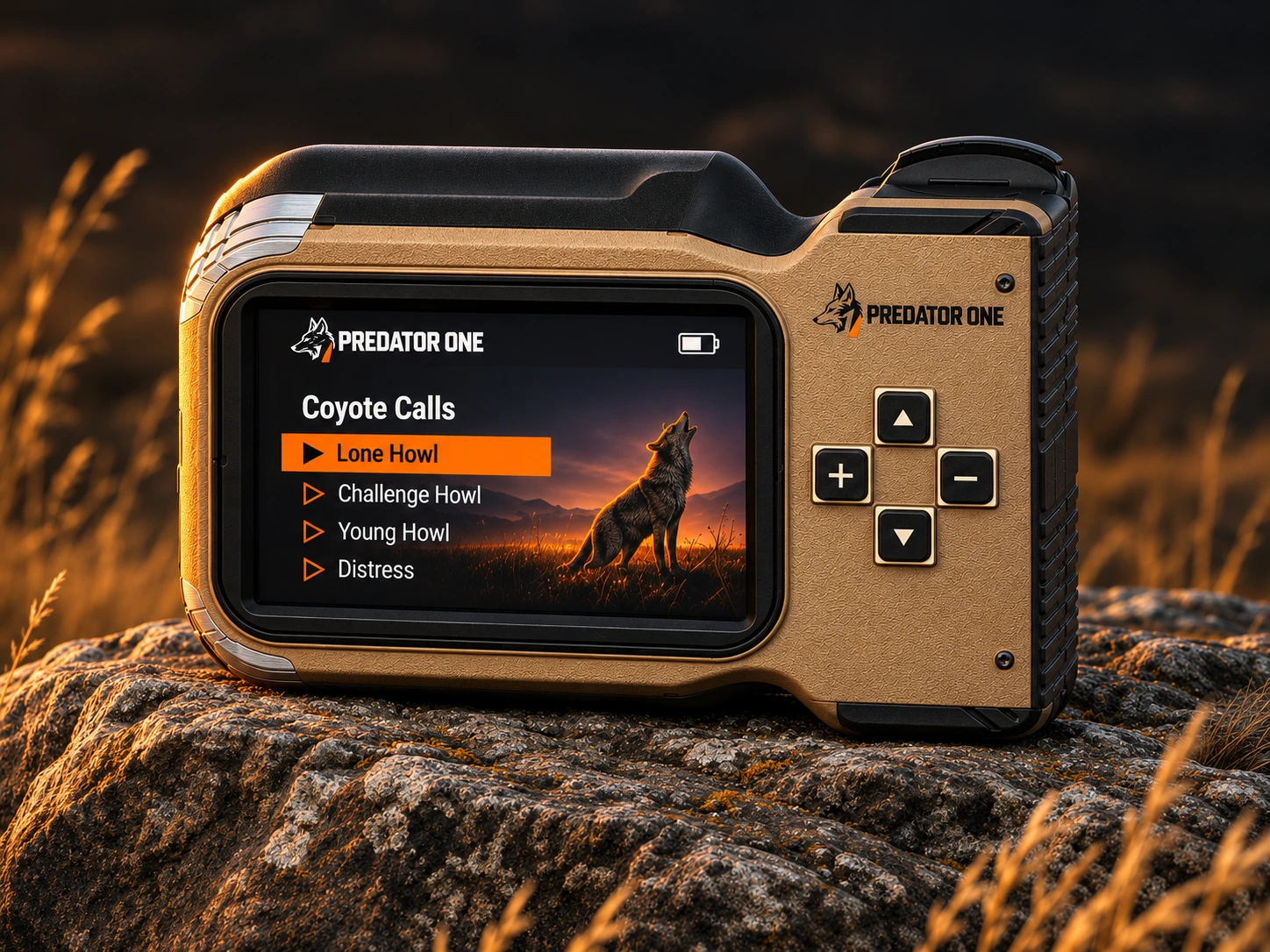
Predator One Standard brings white and red field light into the same remote used for call control. The point is a simpler handling routine: fewer separate handhelds to switch between while organizing a stand. Practice selecting each light before an outing so that you are learning the controls in a comfortable setting.
Light is not thermal
Standard has no thermal imaging. Its field lights illuminate what they are pointed at; they do not create a thermal view. Pro is our Coming soon thermal direction, with availability and final details to be announced. Choose the current Standard system for call control and field light, and keep a separate hands-free light in your outdoor kit when your route calls for one.
FURTHER READING
These independent resources support the outdoor guidance referenced above.