Start with the return trip
Before choosing a place to sit, decide how you will get back. Look at the route in both directions. Mark the turn that will be easiest to miss after dark, and decide when you will leave. A familiar approach can look very different on the way out. Keep the plan simple enough to describe to someone who is staying behind.
Give the kit a quiet check
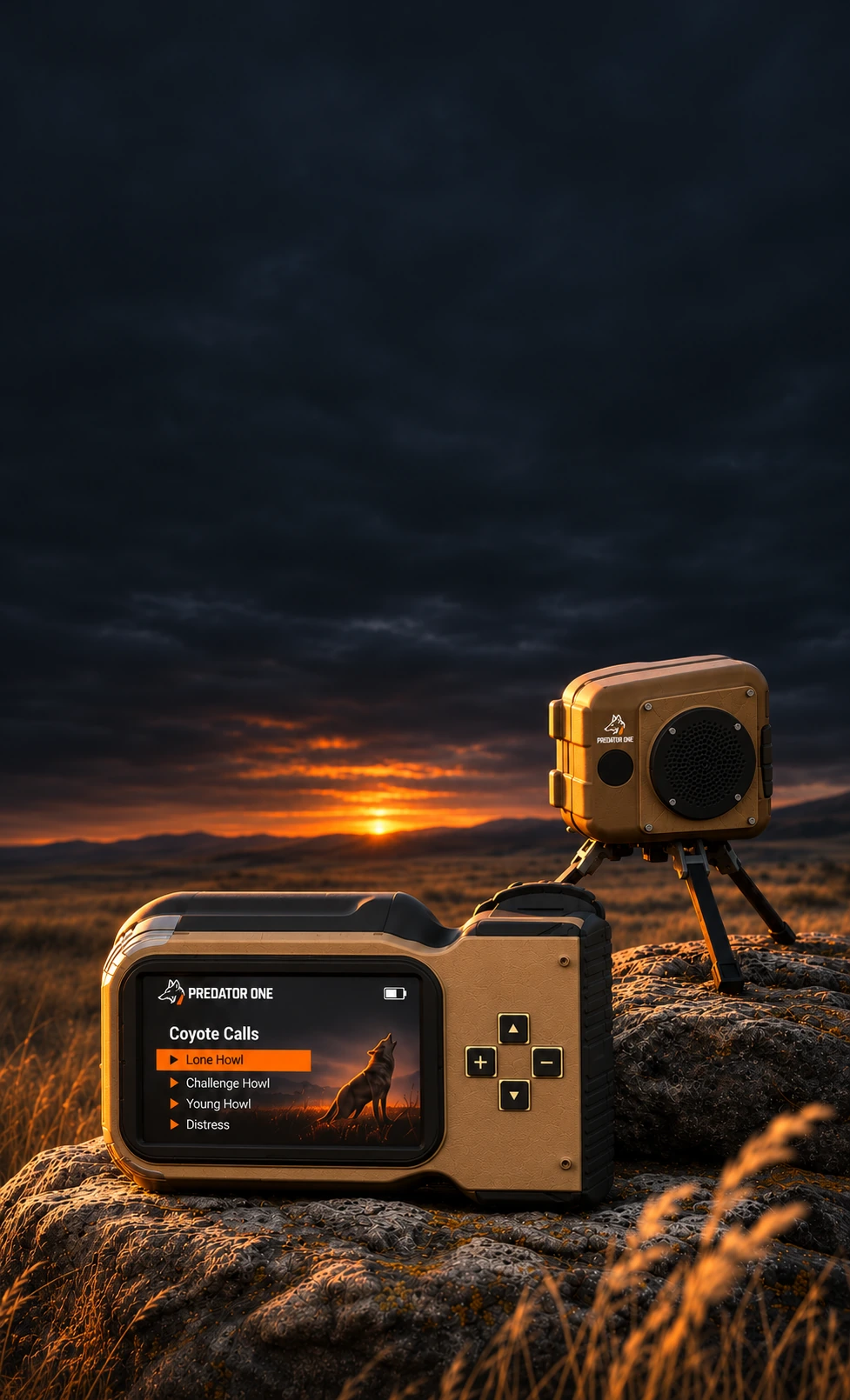
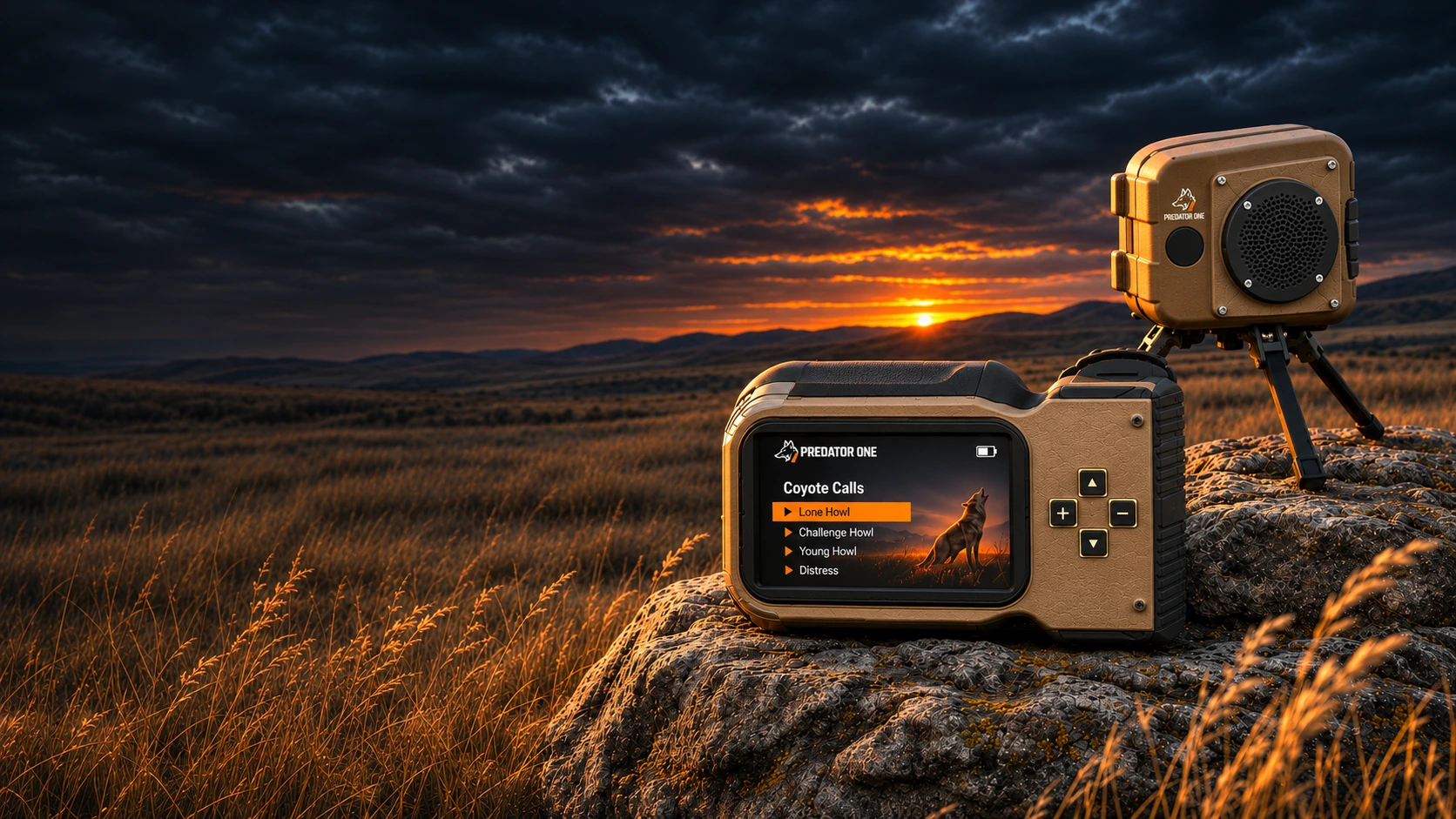
Take a moment at home to inspect the caller, remote, power supplies, and anything you intend to carry. Check playback and mute at a low volume in an appropriate place. Confirm which controls you will reach for first. Discovering a forgotten item beside the truck is easier to fix than discovering it after the walk in.
Make the setup repeatable
Give each item a regular place in your pack. Keep your remote accessible without emptying a pocket onto the ground. Set the caller on a stable surface and keep your walking route clear. This is a suggested organizing routine, not a substitute for the supplied operating instructions or the conditions at your location.
Know when to change the plan
A successful outing can include turning around. If the route, weather, equipment, or your comfort level changes, shorten the trip. The National Park Service's Ten Essentials is a useful starting point for outdoor preparation, including navigation, illumination, extra supplies, and leaving a trip plan with someone. Tailor your kit to the actual outing rather than to the smallest possible pack.
FURTHER READING
These independent resources support the outdoor guidance referenced above.